Sunday, April 19, 2026

Bishop Hobbies

Wood & Plastic Models, Astrophotography

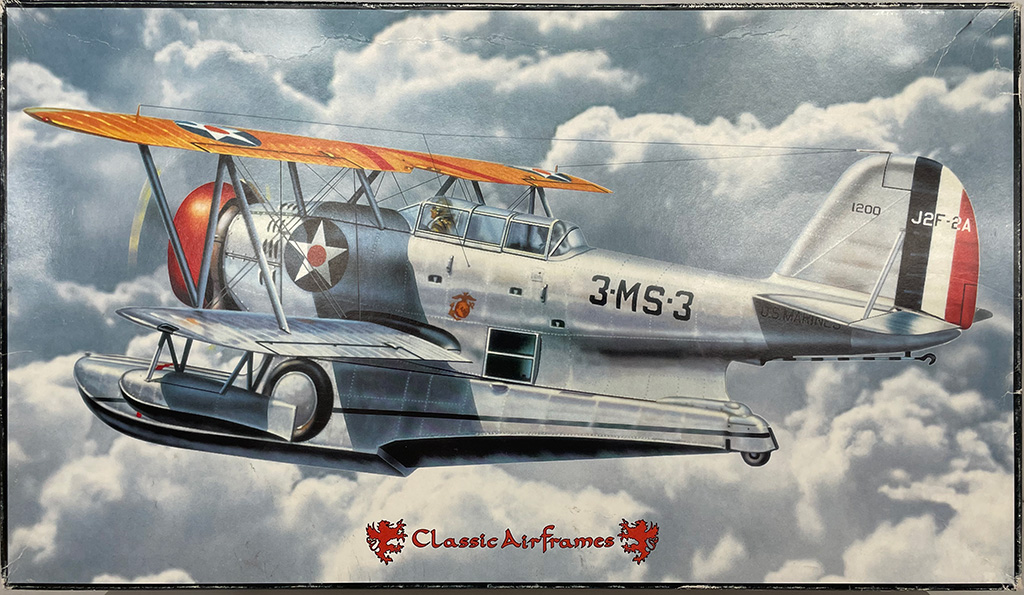
1/48 J2F-1 Duck

Posted by Paul On September - 11 - 2013

9/11/2023

1/48 SCALE J2F-1 DUCK BY CLASSIC AIRFRAMES

Today is Monday, September 11 our second day of infamy – today is the 22nd anniversary of that. 

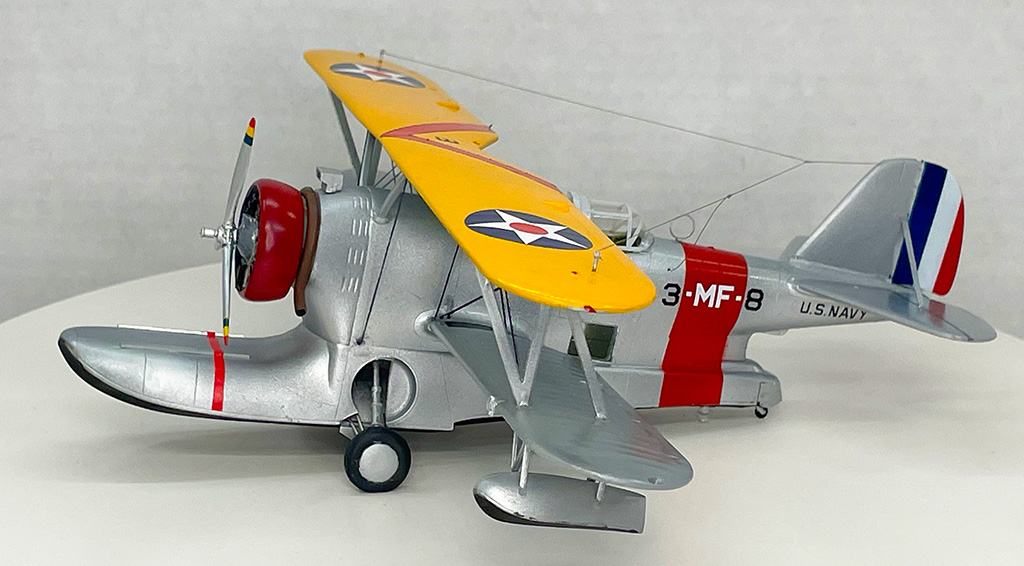
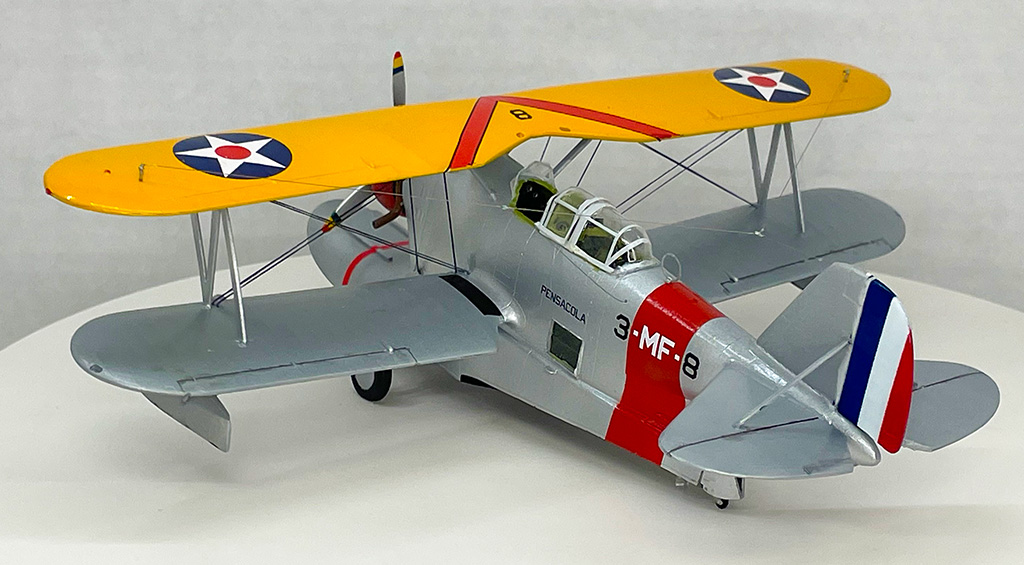
 In this article a present to my 148 scale model of the J2F-1 by Classic Airframes. I've never built anything I believe by Classic Airframes before and being a short run kit hi it has it's a pluses and minuses. On the plus side the wings are fantastic.  The fuselage however it has  little surface detail, also the meeting surfaces for the wings and the horizontal and vertical stabilizer are just flat, so you have to make allowances for that. The landing gear is a very fragile can and I ended up drilling out the joint sections using my small-scale drill press and putting in small brass rod to strengthen the whole thing.  This made it very robust. The other parts the landing gear are supplied as small plastic rods which add nothing to the strength of the landing gear.  I replaced them with brass rods.  All of this was glued together with CA and it ended up working really well. When attaching the wings, I drilled and added 2 brass rods to the wing attachment side.  Corresponding holes were drilled in the fuselage.  I attached the lower wing using CA and that worked out great. For the horizontal and vertical stabilizers, I sanded the mating surfaces and used CA to attach them.  I didn’t have any problems with them coming loose.  

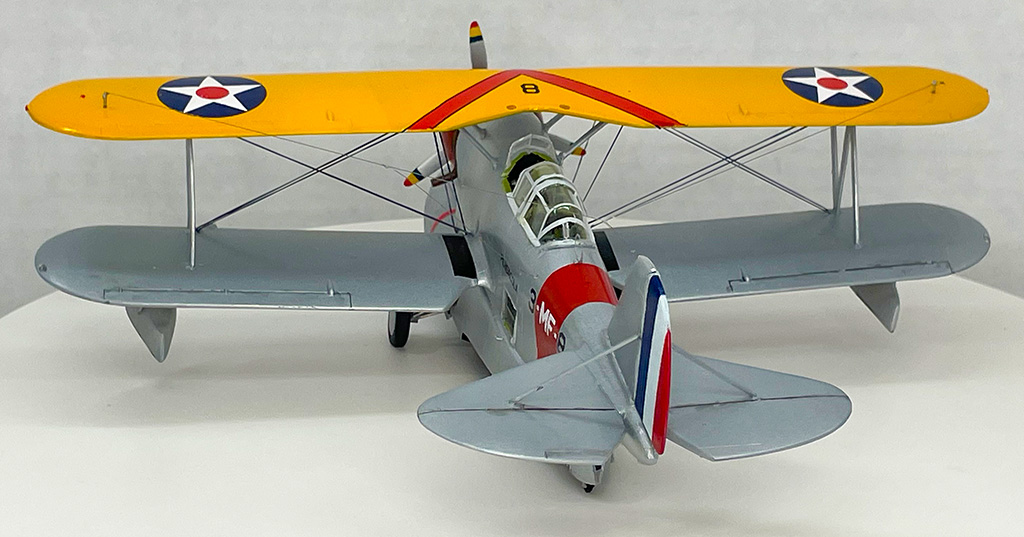
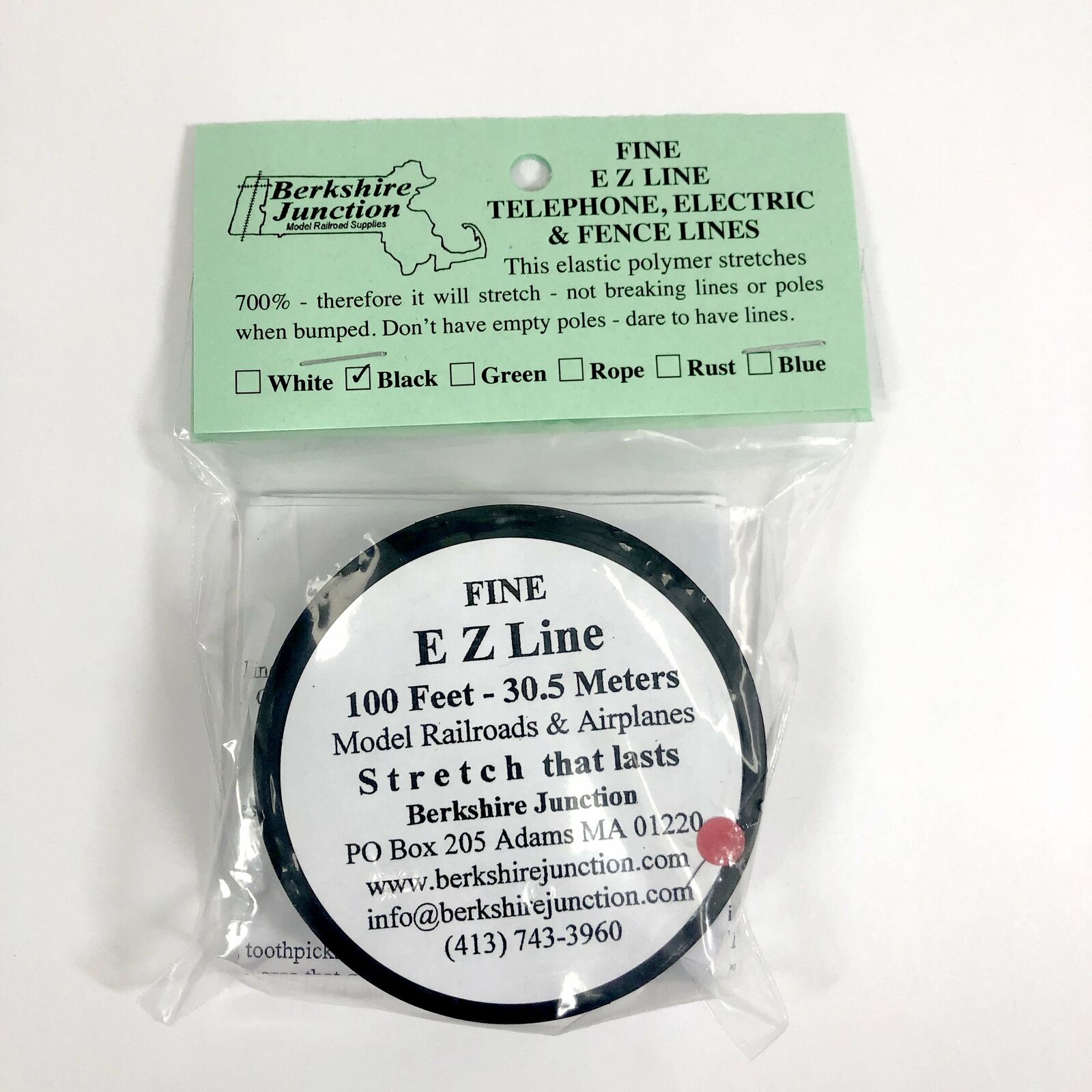
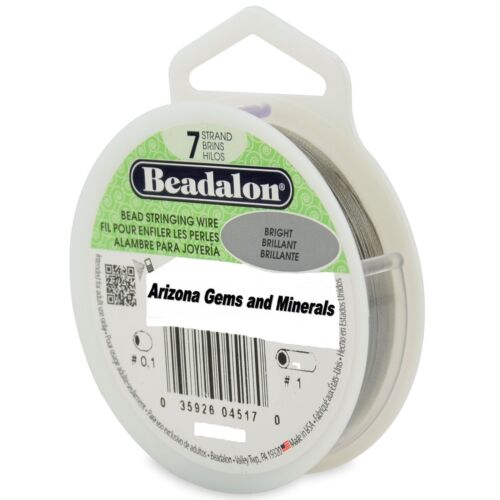
For the rigging I had some .25 mm dia wire from Beadalon in silver which seemed to be just right.  I drilled the attachment holes through the wings and attached the wire.  Excess was trimmed off and sanded smooth.  It looked pretty good.  However, as I went along with the build kept knocking them loose.  I tried to reattach them, but it was not working out well.  I ended tearing out the wire and replaced the rigging with EZline which was easier to attach and have it look tight.

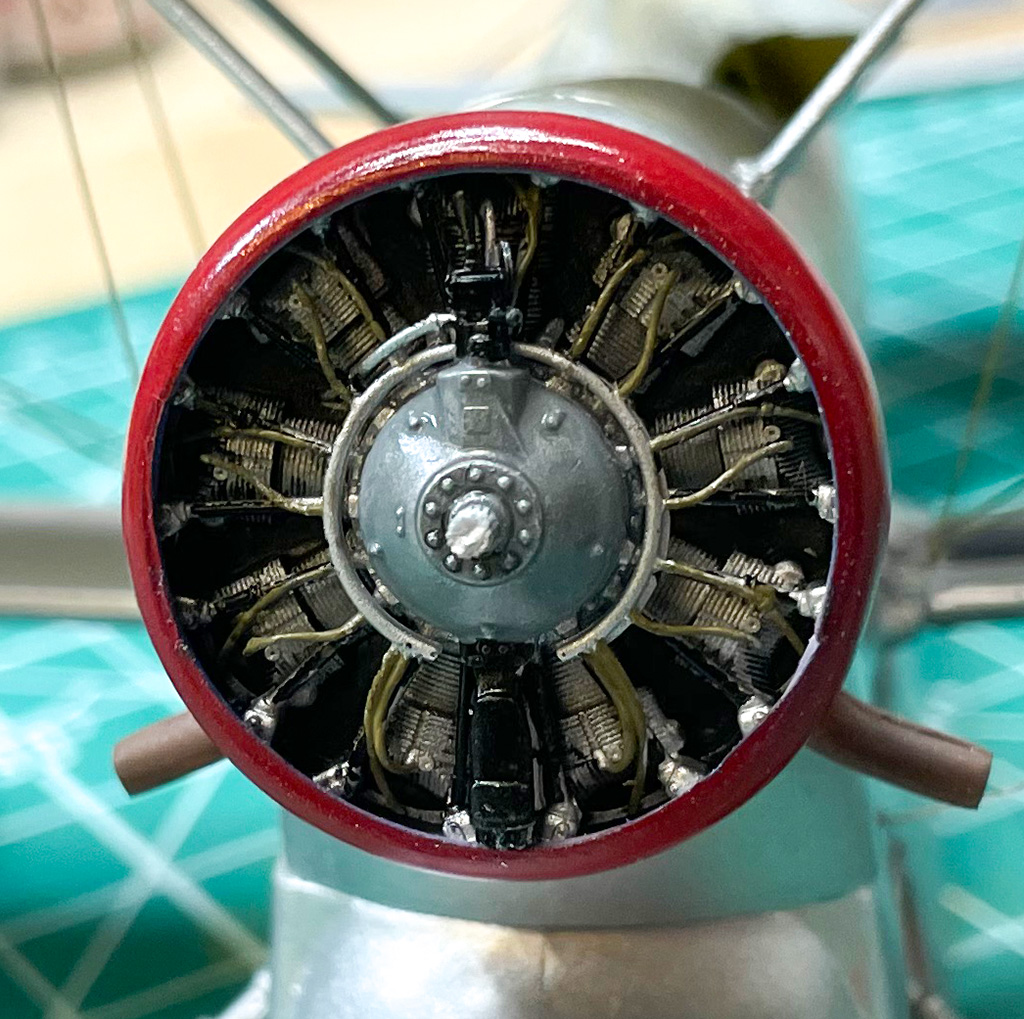
About the engine – the kit engine is resin and just isn't up to snuff.  I ordered a Pratt & Whitney R1820 from Resin2Detail (see pic) and their's is a vast improvement.

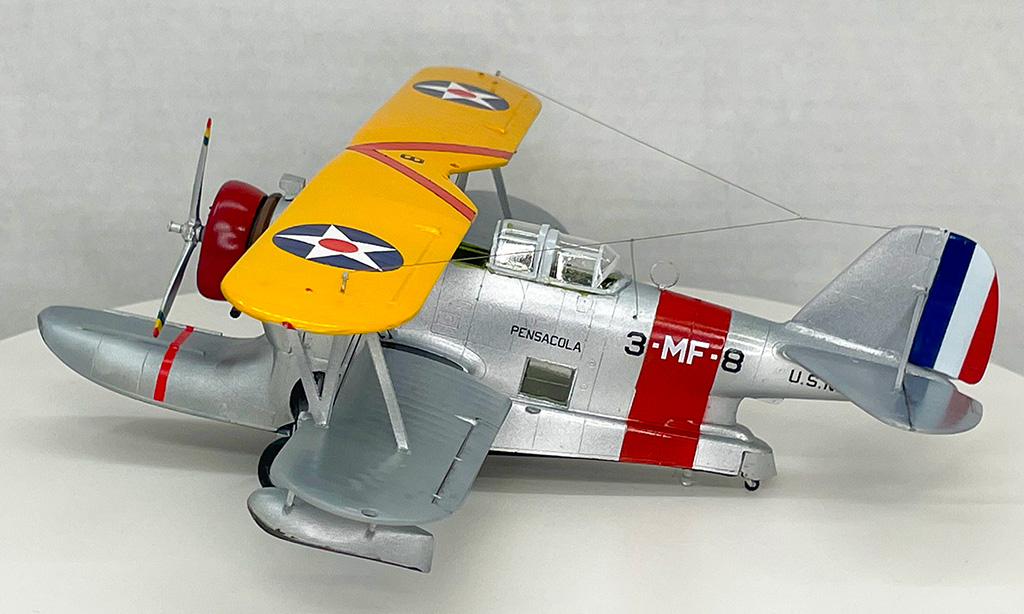
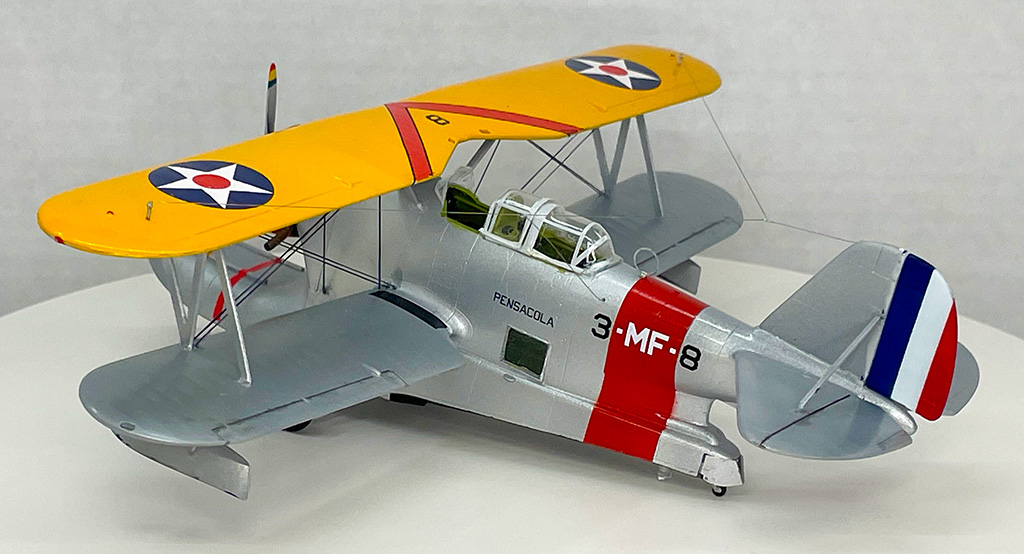
The supplied canopy is ok, but there is really no option to have any part of it open.  I wanted to show the canopy open, so I used a vacuform one I had ordered from Squadron.  You have to be careful trimming these out. For the canopy I used some silver decals I sourced from my decal box.  The canopy was attached with ZAP Canopy Glue – it looks like white glue to me. 

At this point I added the decals.  Those supplied in the kit were very fragile and I ended up having some breaking which I repaired as best as I could.  At this time everything was painted so I gave the complete model a coat of Mr. Super Clear.

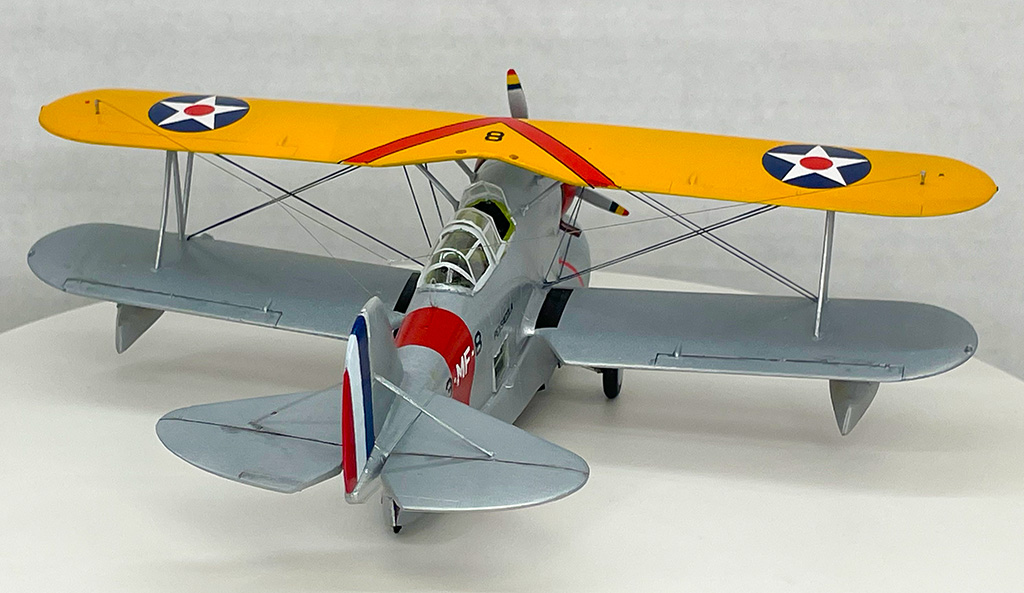
There is one saga which I will address now.  That is the rudder.  There is a kit supplied decal for each side of the rudder.  No problem I’ve done this many times.  This time I noticed that after they dried, they were not lined up one side to another.  I thought I would just leave it.  That idea didn’t last long.  Why not just cut off the rudder and paint the colors with my airbrush.  I did that and everything looked great until I gave it a coat of Mr. Super Clear.  Well, if you do that and the paint underneath isn’t completely dry things start to look like a Jackson Pollock painting.  That wasn’t the effect I was looking for.

Now I had a mess – what to do.  I decided to use some Tamiya Lacquer Thinner brushed on carefully.  That did the trick.  After some work with this I rinsed the offending part in hot soapy water to clean off any residue.  I proceeded to airbrush the red, white, and blue colors making sure the paint was dry before going on to the next color.  This ended looking presentable.  I attached the rudder the same way I did with the wings – with small brass rods.  This time I didn’t add any Mr. Super Clear just to be safe. 

I rigged the antennas with very thin invisible thread.

That’s it.  There are many flaws with the build reflecting the failure of your's truly in assembley and painting etc. but result looks like the J2F and I’m happy.

To see a video of the model on my turntable – click HERE.


1/48 eduard B-17F Bloody Hundredth 1943

Posted by Paul On October - 18 - 2012

10/18/2025 Today I have cleaned up my workroom in preparation to build this very nice eduard 1/48 B-17F from 1943.  I plan on building Robert Rosenthal's plane "Rosies Riveters".

Here is a little background on him:

On January 2, 1942, Rosenthal enlisted in the United States Army as an aviation cadet. In September 1942, he graduated from the Air Corps Advanced Flying School at Moody Field, near Valdosta, Georgia, earning his wings and a commission as a second lieutenant. In September 1943, he completed Boeing B-17 Flying Fortress combat crew training at Dyersburg Army Air Base near Halls, Tennessee. He and his crew were immediately shipped overseas and joined the 418th Bombardment Squadron, 100th Bombardment Group, stationed at RAF Thorpe Abbotts in England.

On the October 10, 1943, mission over Münster, Germany, only the third mission for Rosenthal's crew with the 100th Bombardment Group, the B-17F s/n 42-6087, nicknamed Royal Flush, that the crew were flying was the only plane out of 13 from the group that reached Münster to return to base. Royal Flush landed back in England with two engines dead, the intercom and the oxygen system non-functional, and with a large ragged hole in the right wing. Later the ground crews found an unexploded cannon shell in one of Royal Flush's wing tanks. Rosenthal would receive his first Silver Star for this mission.

On March 8, 1944, Rosenthal's crew, nicknamed Rosie's Riveters, completed their 25-mission combat tour, although the B-17F (s/n 42-30758) that they usually flew bearing the same name was shot down while being flown by a different crew during the February 4, 1944, mission to Frankfurt, Germany. The crew returned to the United States, but Rosenthal extended his tour, eventually flying a total of 52 missions. In May 1944, he took command of the 350th Bombardment Squadron.

On September 10, 1944, Rosenthal's B-17G Terrible Termite (s/n 42-97770), flying on a mission to bomb Nuremberg, was hit by flak and crash-landed around Reims in German-occupied France. Along with all the officers on his plane he was seriously injured. Suffering from a broken arm and nose, he was pulled from the cockpit unconscious by Free French, flown back to England, and woke up at a hospital in Oxford. Rosenthal would receive his second Silver Star after this mission. He returned to duty as soon as he had healed. Rosenthal was assigned to a desk job at wing headquarters, but he managed to return to the 100th Bomb Group and take command of his old squadron, the 418th.

On his last combat mission on February 3, 1945, Rosenthal, commanding the 418th, was part of a 2,500-plane raid against Berlin. His B-17G (s/n 44-8379), the lead bomber, suffered a direct flak hit which killed two of his crew. Although his plane was in flames, he continued to the target to drop his payload, then stayed with the plane until after the rest of the crew had bailed out, just before it exploded at an altitude of only about 1,000 feet (300 m). He broke his arm upon landing and was confronted at gunpoint by Red Army soldiers. Rosenthal identified himself as an American by yelling "Americanski!" which worked, as the Soviets understood he was an ally and helped him again return to duty. Rosenthal would earn the Distinguished Service Cross for this mission. Among the buildings hit in the raid was the "People's Court", killing the court's president, notorious "hanging judge" Roland Freisler. Freisler was an attendee of the Wannsee Conference, which formalized plans for the "Final Solution to the Jewish question".

After the war, Rosenthal served as an assistant to the U.S. prosecutor at the Nuremberg trials, where he interrogated the former head of the German Air Force, Hermann Göring and Wilhelm Keitel, former head of the German Armed Forces High Command Oberkommando der Wehrmacht (OKW). He was honorably discharged from the Army on November 30, 1945.

Robert Rosenthal married Phillis Heller (1918–2011), whom he met on the ocean voyage to Germany. She served as a WAVE, and was also another lawyer on the prosecutorial staff for the Nuremberg trials. They had three children, Peggy, Steve and Dan. Robert Rosenthal died on April 20, 2007, at age 89, in White Plains, New York. He was interred in the Sharon Gardens Cemetery plot Community Synagogue of Rye Lot 197 Grave 3.

Now on to the build….

10/22/2025 I have my workbench cleaned up, now I'm ready for this build.

10/25/2025 Here are a few pictures of the cockpit.

10/30/2025 I've been working on the interior.  Here are some pics…

10/31/2025 Some more interior photos


11/10/2025 Here are a few more progress photos….

You can watch a video of the above pictures HERE.
Before you paint clear parts with a rattle can, be sure and attach the window masks. I had to clean the paint off with Tamiya lacquer thinner followed by Tamiya polishing paste. Finally I washed the parts in a Dawn dish soap solution and dried with a microfiber cloth. The result is as good as new, but I wish I had my brain in gear when I painted these in the first place.

11/21/2025 I've finished the nose interior. The exterior masks are still on as the outside hasn't been painted yet.

12/6/2025 I have accomplished a lot since my last post. I now have the fuselage closed up, the wings and tail surfaces on and painted.

The paints I used were as follows:

upper surfaces – Vallejo Model Air Dark Olive Drab 71.316 N 41

darker vertical stabilizer panel – Tamiya XF-62 with a little Tamiya XF-1 added

lower surfaces – Vallejo Model Air Neutral Grey 71.051

leading edges – Vallejo Model Air Silver 71.062

For all of the airbrushing so far I have used my Iwata High Performance HP-SB Plus side feed dual action airbrush.

Iwata High Performance HP-SB Plus Side Feed Dual Action Airbrush

12/11/2025 I've finished the 3D printed superchargers and attached them.

12/13/2025 Here is another photo with the landing gear installed and one decal. This is my first encounter with Eduard decals where you need to peal the film off. I'm impressed.

12/16/2025 I've finished the larger decals and added the landing gear and wheels. 

12/19/2025 I'm getting close to finishing. The 4 3d printed engines are finished …

12/27/2025 Here are some photos of the finished ball turret…

12/10/2025 The model is finally finished; it was a very pleasant build. I’ve decided to pose it in a diorama depicting the plane as it is getting ready for its next mission. I know in this situation the crew wouldn’t be arriving until later, but I exercised some artistic license. I used online color photos as a reference for painting the figures. The fuel truck and jeep are from Tamiya kits. The figures are from the two Tamiya kits, other resin figures were purchased on eBay. Some of the figures were attached using canopy glue which hasn't yet dried – hence the white outline on some of the shoes. The workbench and ladder were 3D printed on my Bambu A1. The machine guns and ammo boxes on the workbench are left over from the kit. On to the pictures.

<